
Visible mold isn't the only warning sign: a musty odor or recurring dampness can point to growth hidden behind basement walls or beneath flooring. Basement mold removal in San Francisco generally starts with an inspection to locate the mold and its moisture source, then moves through containment, removal, drying, and a check of the affected area.
It’s understandable to want a clear plan when the full extent of a basement mold concern isn’t visible. This guide explains the signs to look for, how professional inspection and remediation work, and when to arrange an assessment.
You’ll also learn how moisture sources shape the work and why addressing the underlying dampness matters alongside removing visible growth. The goal is to help you understand what to expect, from the first inspection through the final assessment, so you can make an informed next-step decision.
Key Takeaways
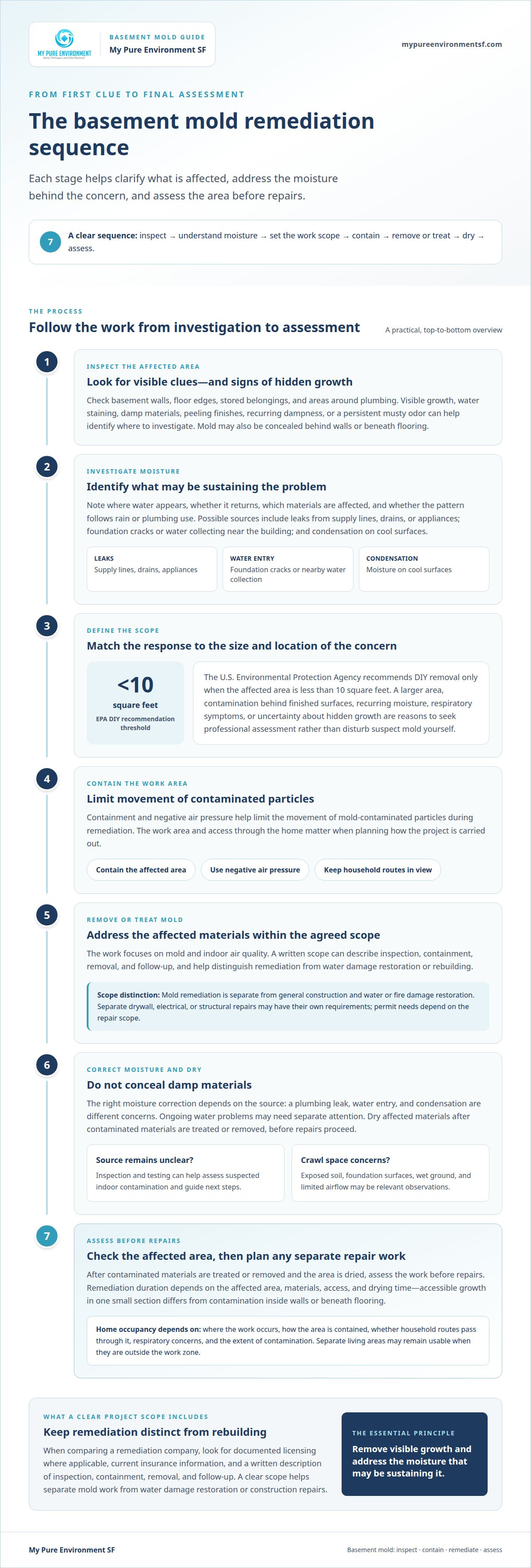
- Remediation follows a sequence: inspect the affected area, address mold and moisture, and assess the work afterward.
- Understanding where moisture is entering or lingering helps identify what may be sustaining basement mold.
- Containment and negative air pressure help limit the movement of mold-contaminated particles during remediation.
- Musty odors, recurring dampness, or changes to surfaces can point to mold concealed behind finishes.
- Learn which symptoms may be associated with mold exposure and when testing or professional remediation may help clarify the situation.
What Is the Mold Remediation Process?
Mold remediation begins by locating contamination and the moisture that supports it. In San Francisco basements, the work may also involve drying affected materials and planning separate repairs.
Water Damage and Mold Investigation
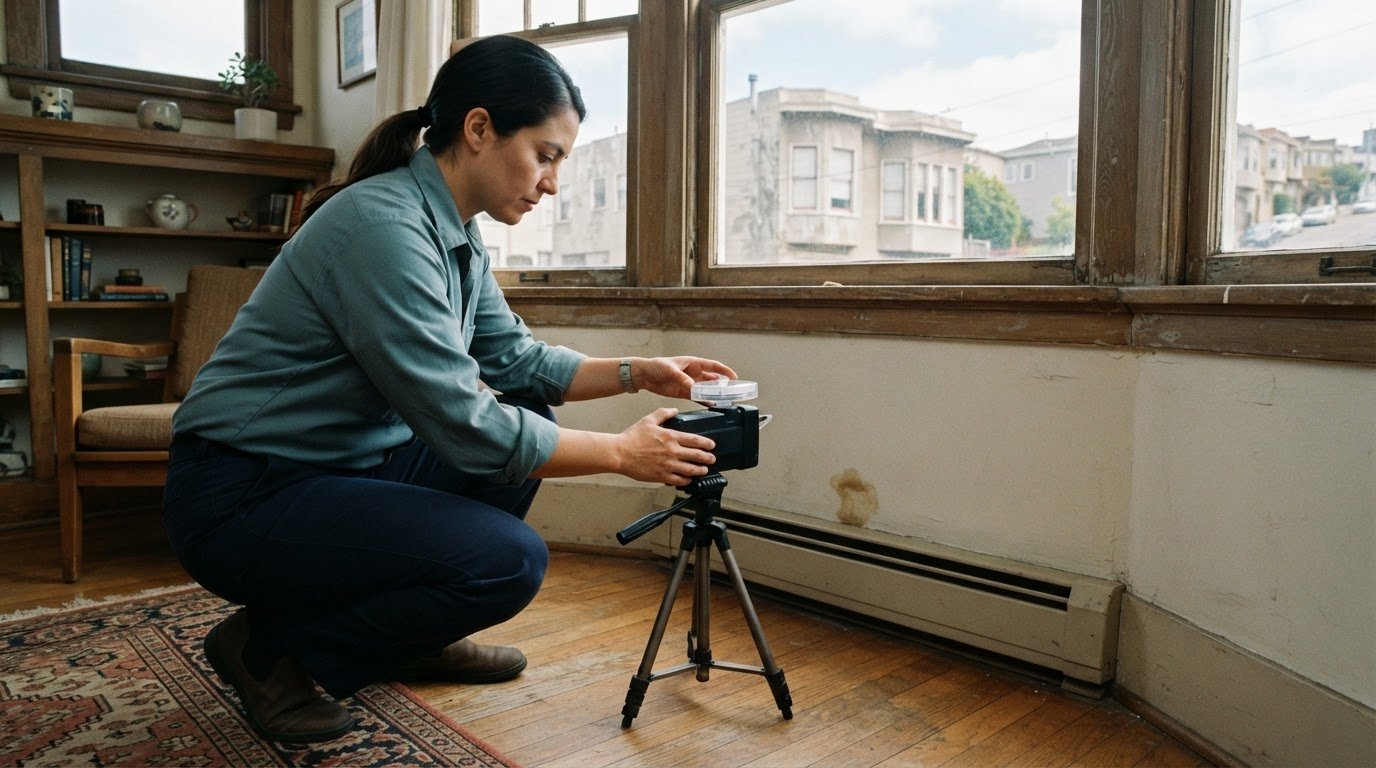
Look for visible growth, musty odors, water staining, and damp materials. Check basement walls, floor edges, stored belongings, and areas around plumbing for clues. Identifying moisture concerns is important because mold inspection and remediation address the mold problem, while ongoing water intrusion may require separate attention.
Mold presence alone does not determine whether repairs require permits. Requirements depend on the repair scope, so distinguish mold remediation from separate drywall, electrical, or structural repairs when planning work in San Francisco.
Mold Damage Restoration and Repairs
After contaminated materials are treated or removed, the affected area needs to be dried and assessed before repairs.
Water or fire damage restoration is separate from mold remediation, which focuses on mold and indoor air quality. My Pure Environment SF specializes in mold inspection, testing, and remediation, not general construction or water damage restoration.
DIY Removal and Professional Help
The U.S. Environmental Protection Agency recommends DIY mold removal only when the affected area is less than 10 square feet. For a larger area, contamination behind finished surfaces, or recurring moisture, professional assessment can help define the affected materials and safe work scope. Respiratory symptoms or uncertainty about hidden growth are additional reasons to avoid disturbing mold yourself.
To identify a suitable remediation company in San Francisco, look for documented licensing where applicable, current insurance information, and a written scope describing inspection, containment, removal, and follow-up. A clear scope helps distinguish mold work from water damage restoration or rebuilding.
Remediation Timing and Home Occupancy
Remediation duration depends on the affected area, the materials involved, access, and how long drying takes. Removing accessible growth from one small section differs from addressing contamination inside walls or beneath flooring. The work sequence also includes controlling the affected area and assessing it before repairs proceed.
Whether residents can stay in the home depends on where work occurs, how the work area is contained, and whether normal household routes pass through it. A basement project may allow continued use of separate living areas when those spaces remain outside the work zone. Respiratory concerns and the extent of contamination also inform occupancy planning.
San Francisco mold risks and moisture sources
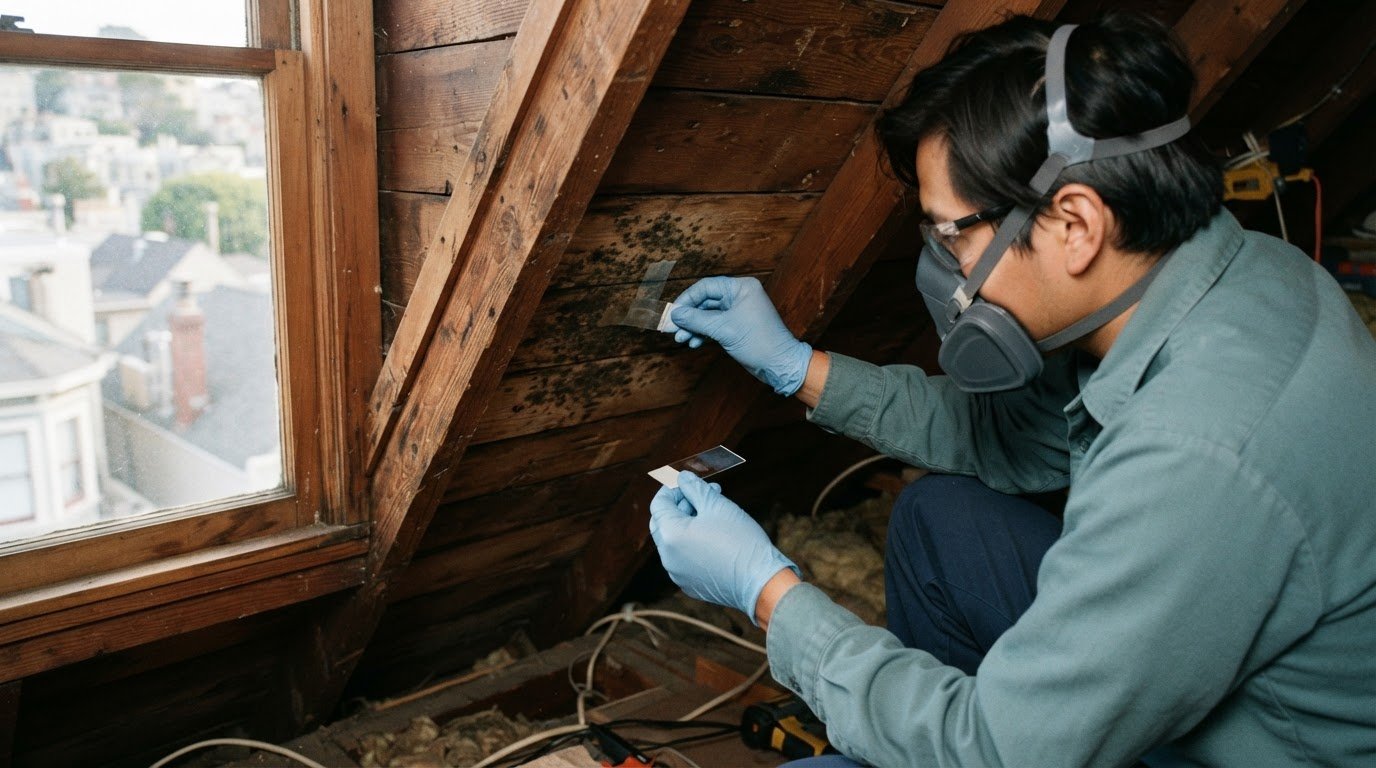
Indoor mold growth is typically associated with moisture, so observing dampness can help identify a concern. In San Francisco homes, note where water appears, whether it returns, and which materials are affected. A professional inspection can assess visible mold and provide lab testing.
Finding Indoor Mold and Moisture
Inspect basement walls, floor edges, stored belongings, and plumbing connections for water marks, peeling finishes, condensation, or a persistent musty odor. Mold can also be hidden, so an odor near a wall or cabinet deserves attention even when surfaces look clean. A professional inspection can assess the concern.
Record the pattern: a stain below a pipe may point to a different moisture concern than dampness along an exterior wall. Note whether it appears after rain, plumbing use, or a change in indoor conditions. These observations help guide a professional inspection without disturbing suspect materials.
Common Moisture Sources
Leaks from supply lines, drains, or appliances can introduce water into basement materials. Moisture can also enter through foundation cracks or persist where water collects near the building. Condensation is another possibility, especially on cool surfaces beside warm, humid indoor air. Each pattern points to a different source requiring a focused inspection.
In San Francisco Bay Area homes, basements may include crawl spaces or unfinished areas where damp soil and limited airflow contribute to moisture concerns. Look for wet ground, water staining, and musty odors. Damp materials are a reason to investigate, not simply cover with new finishes.
Moisture-Source Correction
The right next step depends on the condition observed. A plumbing leak, water entry, and condensation are different moisture concerns. Mold inspection and remediation address the mold-related issue, while ongoing water problems may need separate attention. Treating visible mold alone does not resolve continuing moisture.
For crawl space moisture control, inspect exposed soil, foundation surfaces, and the boundary between the crawl space and basement. Restoration should follow source correction and drying, rather than concealing damp materials with paint or flooring. If the source remains unclear, mold testing and inspection can help assess suspected indoor contamination and guide the next steps.
These estimates distinguish remediation from encapsulation, helping homeowners keep the scope of a proposed project in view. Diamond Certified reports that 10,012 people sourced companies in its Mold Removal & Repair category. This provides a measure of how many people used that category to find companies, though the moisture source and work needed in a particular home still require individual assessment.
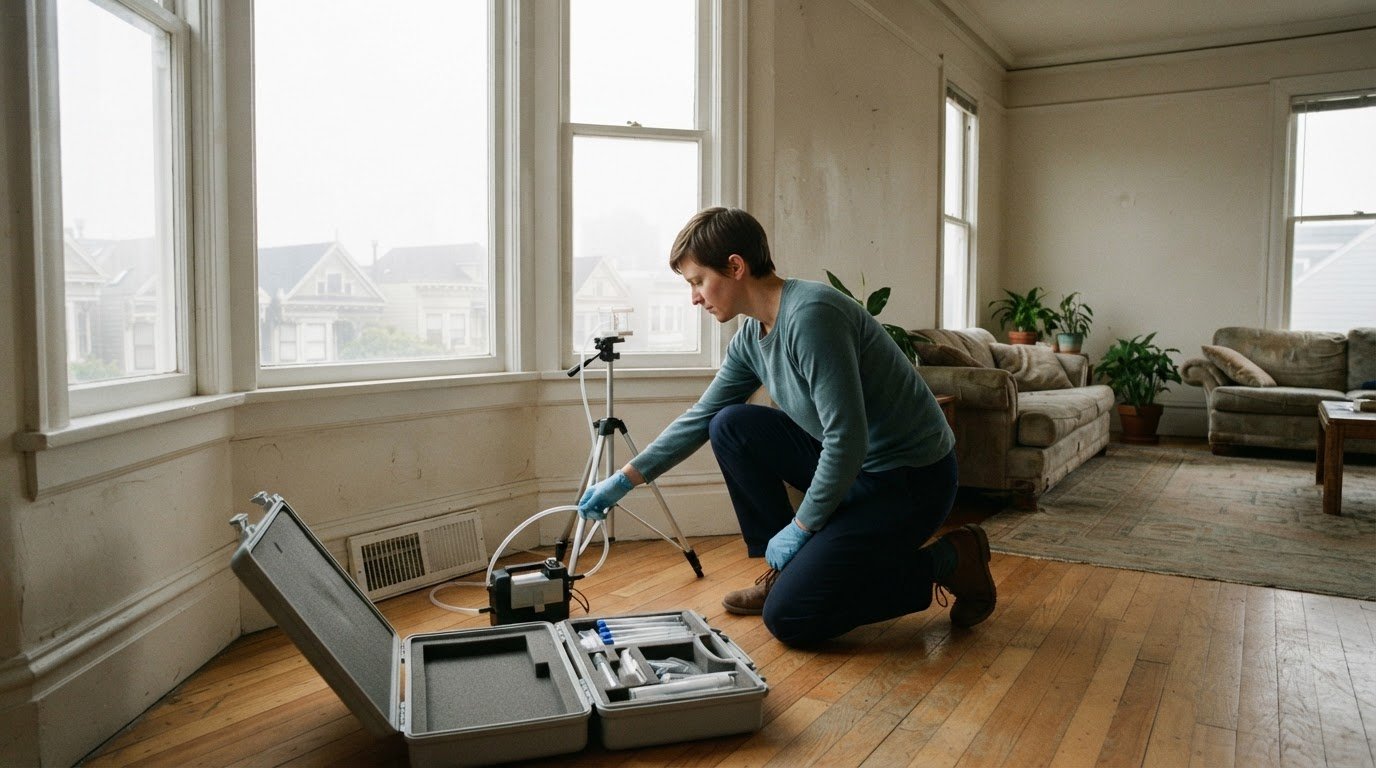
When testing is part of an assessment, professionals recommend comparing indoor air samples with an outdoor sample to establish a local baseline for mold levels. This comparison can be considered alongside observations of dampness and possible moisture entry, rather than as a substitute for investigating the source. Keeping the assessment focused on both the air samples and the conditions in the crawl space can help guide decisions about remediation or encapsulation.
Containment and negative air pressure
Containment separates the active work area from occupied parts of a building. Negative air pressure helps direct airflow inward, limiting the movement of airborne particles beyond the boundary.
Containment Setup
Before removing contaminated materials, remediation workers isolate the affected basement area with plastic barriers and controlled entry points. They plan the setup around the work zone, nearby doorways, and routes residents use. In residential and commercial buildings, the layout differs, but the purpose remains consistent: keep remediation activity from spreading into unaffected rooms.
Negative air pressure means air flows from surrounding areas into the contained work zone, rather than carrying particles outward. Air-control equipment can draw air through HEPA filtration before exhausting it. Workers maintain the boundary while removal and cleanup are underway, then assess it before taking containment down.
A mold inspection helps define where barriers belong. If contamination is limited to a basement storage room, the setup can focus on that room and its entrance. If a wall or adjoining space is involved, the containment plan must account for the broader work area and access needed for removal and repair.
Cross-Contamination Prevention
Cross-contamination can occur when disturbed materials release particles that travel on air currents, clothing, tools, or debris. Barriers limit open pathways between the work zone and clean areas. Controlled entry also helps workers manage the movement of equipment and removed materials without passing through unrelated rooms unnecessarily.
During removal, workers place contaminated building materials into suitable containment before moving them out of the basement. HEPA-filtered vacuuming captures fine debris from surfaces, while damp cleaning can address remaining residue. Samples may be collected as part of an inspection or assessment, but sampling alone does not replace physical cleanup.
Containment requires attention throughout the job, not just during setup. A torn barrier, an open doorway, or equipment that stops maintaining inward airflow can weaken separation. Workers should address such disruptions before continuing, then clean tools and the work area to reduce particles being carried into other rooms.
Certification can indicate training, but it does not describe the specific containment plan for a property. A clear work scope should explain the affected area, how airflow will be controlled, how debris will be handled, and how the space will be cleaned before repair work begins. These details matter whether the project involves one basement room or a larger building.
Health symptoms associated with mold exposure
Mold growth can affect indoor air quality, particularly when particles become airborne. People may notice irritation or respiratory symptoms, but symptoms alone cannot establish that mold caused them. A musty basement odor or discomfort that seems connected to time spent there is useful information, not a diagnosis.
Reported symptoms can include a stuffy nose, sneezing, itchy or watery eyes, throat irritation, coughing, or wheezing. These experiences vary, and the same symptoms can have causes unrelated to mold. A cough that occurs in several settings, for example, does not identify a basement source.
Pay attention to timing and location. Note whether symptoms begin or worsen in the basement, improve after leaving, or occur elsewhere too. Record nearby conditions such as dampness, visible growth, or recently disturbed materials. Share this information with a healthcare professional; a symptom pattern does not prove mold exposure.
People with existing respiratory conditions or sensitivities may have particular concerns about air quality. If breathing becomes difficult or symptoms are severe, seek prompt medical care. For ongoing or recurring symptoms, discuss them with a healthcare professional and describe the basement conditions, including any visible mold growth or water intrusion.
Do not disturb suspect materials to test whether they are causing symptoms. Scraping a wall or sweeping dusty debris can release particles into indoor air. Instead, note the location, odor, dampness, and any changes after materials are disturbed. This context can help a healthcare professional and inform a building assessment.
An indoor air quality assessment examines the environment, not a person’s health. My Pure Environment SF offers mold inspection and lab testing to assess visible growth and mold concerns. Findings are considered alongside the building’s condition, since a sample cannot explain every symptom or identify a medical cause.
Reducing exposure starts with avoiding unnecessary entry into a visibly affected space and keeping children or sensitive household members away from active work areas. If a basement issue coincides with respiratory irritation, share the timeline and location details with a clinician. A medical assessment and a building inspection address different concerns.
Signs of hidden basement mold
A persistent musty odor without visible growth can be a reason to investigate. Look where materials meet, including baseboards, carpet edges, stored boxes, and the underside of stairs. A surface can look clean while moisture or mold remains hidden, so one clear wall does not rule out a concern.
Changes to finishes can also be clues. Bubbling paint, peeling wallpaper, warped trim, and discolored drywall may indicate moisture behind a surface. A recurring stain deserves attention, especially if it returns after drying or appears near plumbing. These signs do not establish the cause, but they can guide an inspection.
Observe the room before opening walls. Note odors, staining, damp materials, and nearby water sources such as pipes or an exterior wall. Compare affected areas with nearby dry surfaces. This pattern can help a professional assess whether the concern is localized or extends across connected basement spaces.
Stored items can hide early evidence. Check cardboard boxes, fabric, and items placed directly against basement walls. A musty smell concentrated behind a shelving unit, for example, may point to a damp area that routine cleaning misses. Mold spores may be present where growth is hidden, but odor alone cannot establish what is growing or how far it extends.
In San Francisco Bay Area homes, hidden areas can include spaces beneath stairs, behind finished basement walls, and around floor edges. Pay attention to places with a history of leaks or recurring dampness. Avoid pulling apart damaged finishes; disturbing suspect materials can spread debris and complicate assessment.
A serious concern is not defined by one stain or odor. The extent of affected material, ongoing moisture, and whether contamination reaches concealed spaces all matter. A professional inspection can assess visible clues and determine whether further investigation is appropriate. Testing may support that assessment, but results need to be considered alongside the building’s condition and moisture history.
Keep a brief record of what you observe: where the odor is strongest, which finish has changed, and whether the sign returns. Photos can document changes over time without disturbing the material. If these clues suggest hidden basement growth, request a mold inspection to help assess the affected area and clarify next steps.
My Pure Environment SF: Bathroom Mold Removal
My Pure Environment SF provides mold remediation and testing and inspection for property owners dealing with suspected basement contamination. An inspection can help assess visible growth, hidden moisture concerns, and the affected area. When mold is confirmed, remediation addresses the contaminated materials and supports a cleaner indoor environment. The company also provides bathroom mold removal, a focused service for growth in bathroom areas.
Consider professional assessment when mold returns, a musty odor persists, or growth appears beyond a small, accessible surface. For concerns about indoor air, indoor air quality improvement may also be relevant. To discuss your property’s mold concerns and possible next steps, contact My Pure Environment SF.
Take the Next Step Toward a Healthier Basement
When signs of hidden mold appear, the next step is turning concern into a clear plan for the space. A focused assessment can help distinguish a surface issue from a problem that needs a broader response. That clarity makes it easier to decide how basement mold removal in San Francisco should proceed and what conditions need attention before the area is used normally again.
Keep the decision centered on the building’s condition, not appearance alone. If an odor persists, finishes continue to change, or dampness returns, a professional assessment can help identify an appropriate path forward. Each basement has its own layout and moisture history, so the work should reflect the specific conditions found there.
For guidance on your property’s mold concerns and possible next steps, contact My Pure Environment SF. A considered response can help you move from uncertainty toward a cleaner, healthier indoor environment.
Frequently Asked Questions
Where is it found?
Basement mold can grow on damp materials in hidden or rarely disturbed areas. Check behind stored belongings, beneath stairs, around pipe openings, and where flooring meets walls. A musty odor near a cabinet or corner can point to an area for closer assessment. Note warped trim or peeling finishes, but don’t open walls or disturb suspect materials.
How much does basement mold removal cost in San Francisco?
For basement mold removal in San Francisco, the price depends on the case and is given after a quote request. The scope can depend on the affected area, the materials involved, access to the contamination, and whether the moisture source also needs attention. Mold treatment and repairs are distinct costs, so a project scope should clarify which work is included before the work proceeds.
What factors affect basement mold remediation costs in San Francisco?
The estimate depends on the extent and location of contamination, how accessible affected materials are, and the work needed to address moisture. Mold behind a finished wall may require a different scope than growth on an exposed surface. Basement layout and work-hour limitations can also affect the project. If drywall or flooring needs repair, those costs are separate from mold remediation.
What are the steps for professional basement mold remediation?
Professional remediation typically begins by assessing the affected area and moisture conditions. The work plan then identifies containment needs, how contaminated materials will be handled, and the cleaning approach. After removal and cleanup, the area is assessed before repairs. Testing may help answer a specific question about the property, but results are interpreted alongside inspection findings rather than in isolation.
What are the health risks of basement mold exposure?
Mold exposure may be associated with nasal or eye irritation, coughing, or wheezing, but these symptoms can have other causes. A symptom alone cannot identify mold as the source. Note whether discomfort occurs in a particular area and share that pattern with a healthcare professional. Avoid disturbing suspected growth, since scraping or sweeping can release particles into the room.
How can I prevent basement mold from returning in San Francisco’s climate?
Focus on controlling moisture rather than covering a stain. Repair plumbing leaks, keep stored items from pressing against damp surfaces, and address water entry before replacing finishes. The company’s guidance recommends running a dehumidifier to maintain indoor humidity between 30% and 45%. Check vulnerable corners and storage areas after damp conditions, so recurring moisture can be addressed before mold growth becomes visible.