Did you know that while three out of four people believe they can identify mold in their homes, only one in three can actually do so correctly? It's unsettling to realize that the musty odor rising through your floorboards or those unexplained morning allergies might be signs of a problem you can't quite see. When you're facing persistent dampness, understanding the clinical science of mold remediation for crawl spaces is the first step toward reclaiming your home's health. You want your living space to be a sanctuary, yet the fear of structural rot or declining property value often lingers just beneath the surface.
We believe every homeowner deserves a clear, factual path to resolution. This guide explains how specialized crawl space mold remediation protects your home's air quality and structural integrity using the latest 2026 clinical standards. You'll discover how modern, non-invasive methods provide a permanent solution that doesn't require massive demolition or high-pressure tactics.
We'll examine the biology of sub-floor microbial growth, the impact of the "stack effect" on the air you breathe, and the precise detection technologies that ensure your environment remains pure and safe.
Key Takeaways
- Understand why the crawl space functions as the "lungs of your home" and how its biological health directly dictates the air quality throughout your living environment.
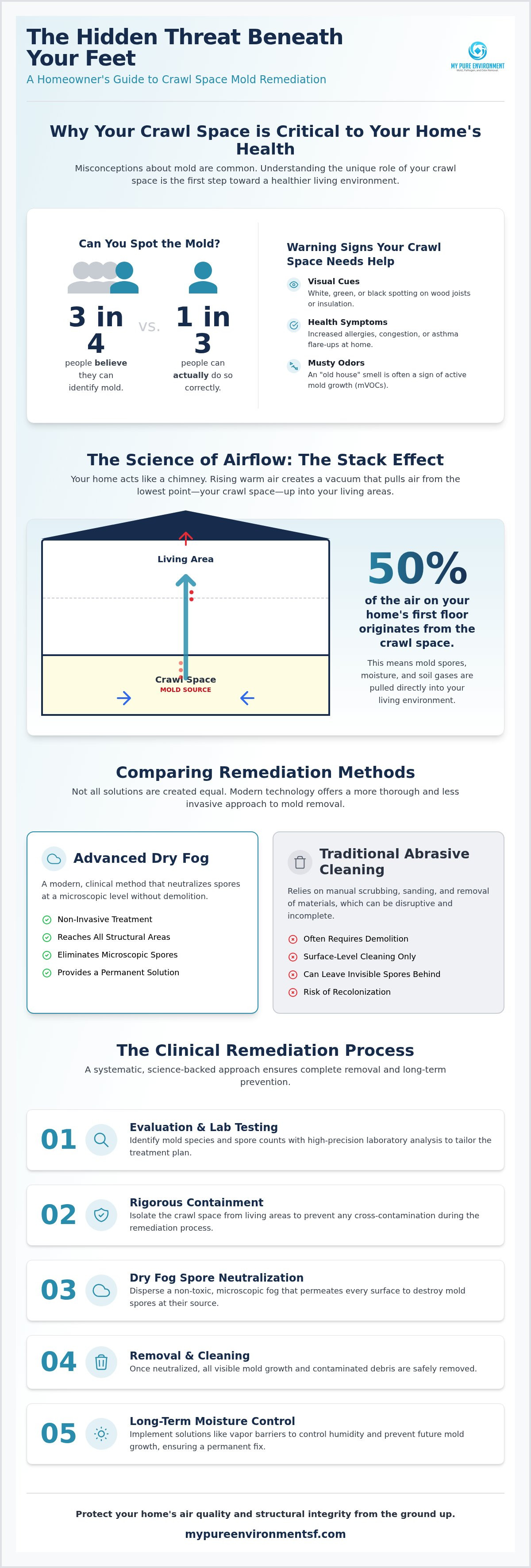
- Learn about the Stack Effect, a physical phenomenon where rising warm air pulls up to 50% of your indoor air from the crawl space into your home.
- Discover how clinical mold remediation for crawl spaces utilizes advanced dry fog technology to neutralize fungal growth in hard-to-reach structural areas without invasive demolition.
- Identify the critical stages of a professional remediation plan, including specialized laboratory testing and rigorous containment to ensure your home remains safe during the process.
- Recognize that a permanent solution requires both the elimination of existing spores and the implementation of long-term moisture control strategies like vapor barriers.
What is Crawl Space Mold Remediation and Why is it Essential?
Professional mold remediation for crawl spaces is a clinical procedure designed to identify, contain, and eliminate fungal colonies at their biological source. Unlike a simple cleaning service that might focus on surface aesthetics, remediation follows a strict scientific protocol to ensure microscopic spores are neutralized. This process is vital because the crawl space functions as the "lungs of your home." Because of the natural movement of air from the ground upward, the conditions beneath your floorboards dictate the quality of the air you breathe in your living room and bedrooms. Understanding the biology of Indoor mold is crucial for effective treatment; without a systemic approach, simple scrubbing often leaves behind invisible spores that quickly recolonize.
The distinction between cleaning and remediation lies in the precision of the methodology. A clinical approach uses high-precision laboratory testing to determine the specific species of mold and the exact spore counts present. This data allows specialists to tailor the treatment to the severity of the infestation. It ensures that the remediation doesn't just hide the problem but resolves it by altering the environment so fungi can no longer thrive. By prioritizing air quality and structural safety over a quick fix, homeowners can protect both their health and their property's long-term value.
The Dangers of Neglected Crawl Space Mold
Fungal growth is a silent threat to the structural integrity of your home. Mold feeds on organic materials like wood floor joists and sub-flooring, eventually leading to wood rot and compromised stability. You might first notice a persistent musty smell; this isn't just an "old house" scent. It's the byproduct of active microbial volatile organic compounds (mVOCs) being released as the mold grows. Ignoring these signals can lead to expensive structural repairs and a significant decline in property value. Maintaining a clean, dry crawl space is a fundamental requirement for the longevity of any building foundation.
Signs Your Crawl Space Needs Professional Attention
Identifying a problem early can prevent a minor issue from becoming a systemic crisis. Look for these indicators that your crawl space requires a clinical evaluation:
- Visual Cues: Look for white, green, or black spotting on wooden supports or fiberglass insulation.
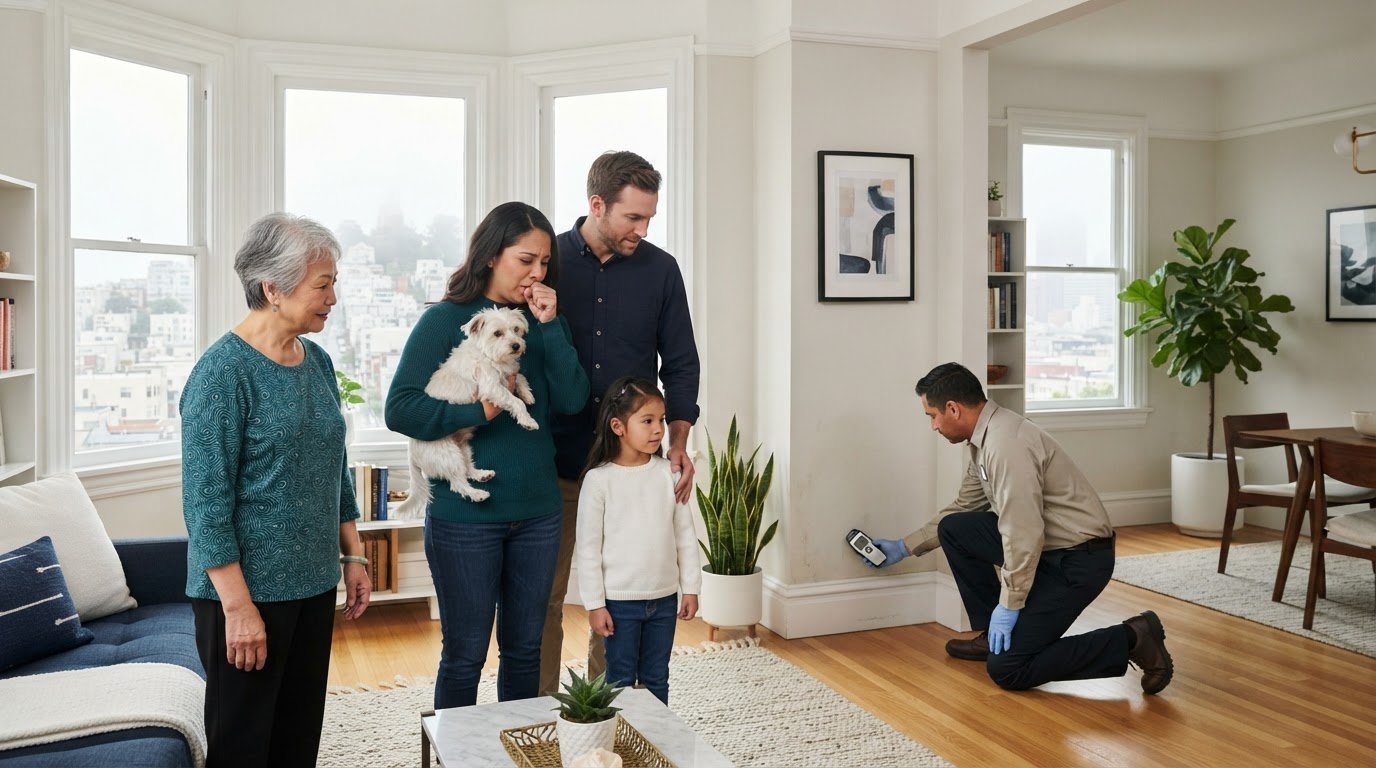
- Physical Symptoms: Pay attention if family members experience increased allergies, congestion, or asthma flares specifically while at home.
- Environmental Indicators: High indoor humidity or floors that feel slightly "bouncy" or sagging can suggest moisture and rot issues below.
If you're noticing these signs, it's time to move beyond DIY solutions. A professional assessment provides the transparency needed to understand the scope of the issue without unnecessary alarm.
The Science of the Stack Effect: How Crawl Space Air Moves
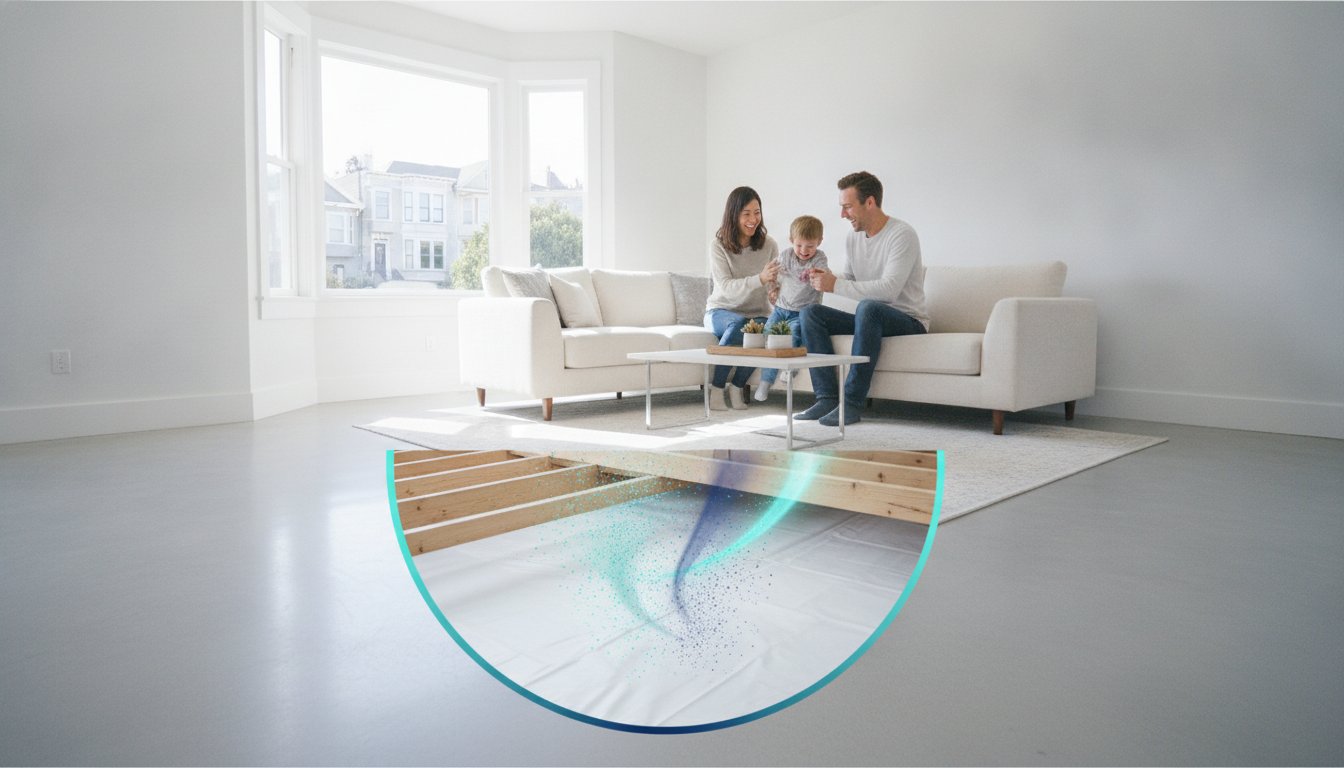
The physics of a residential structure are governed by a phenomenon known as the Stack Effect. As warm air naturally rises through the upper levels of your home and exits through the attic or roof, it creates a negative pressure zone at the base of the building. This vacuum pulls air directly from the lowest point, your crawl space, up into your living quarters. According to industry standards, up to 50% of the air on the first floor of a home originates in the crawl space. This movement turns your sub-floor area into a primary intake for the air you breathe every day.
When fungal growth is present in these lower regions, the Stack Effect ensures that mold spores, soil gases, and moisture travel through plumbing bypasses, electrical penetrations, and floor cracks. From a clinical standpoint, this means a "dirty" crawl space translates directly to "dirty" indoor air. Effective mold remediation for crawl spaces must account for this upward migration to ensure the entire building envelope remains healthy and safe for its occupants. Ensuring your foundation is clean is a fundamental requirement for maintaining systemic health within the home.
Psychrometrics and Moisture Control
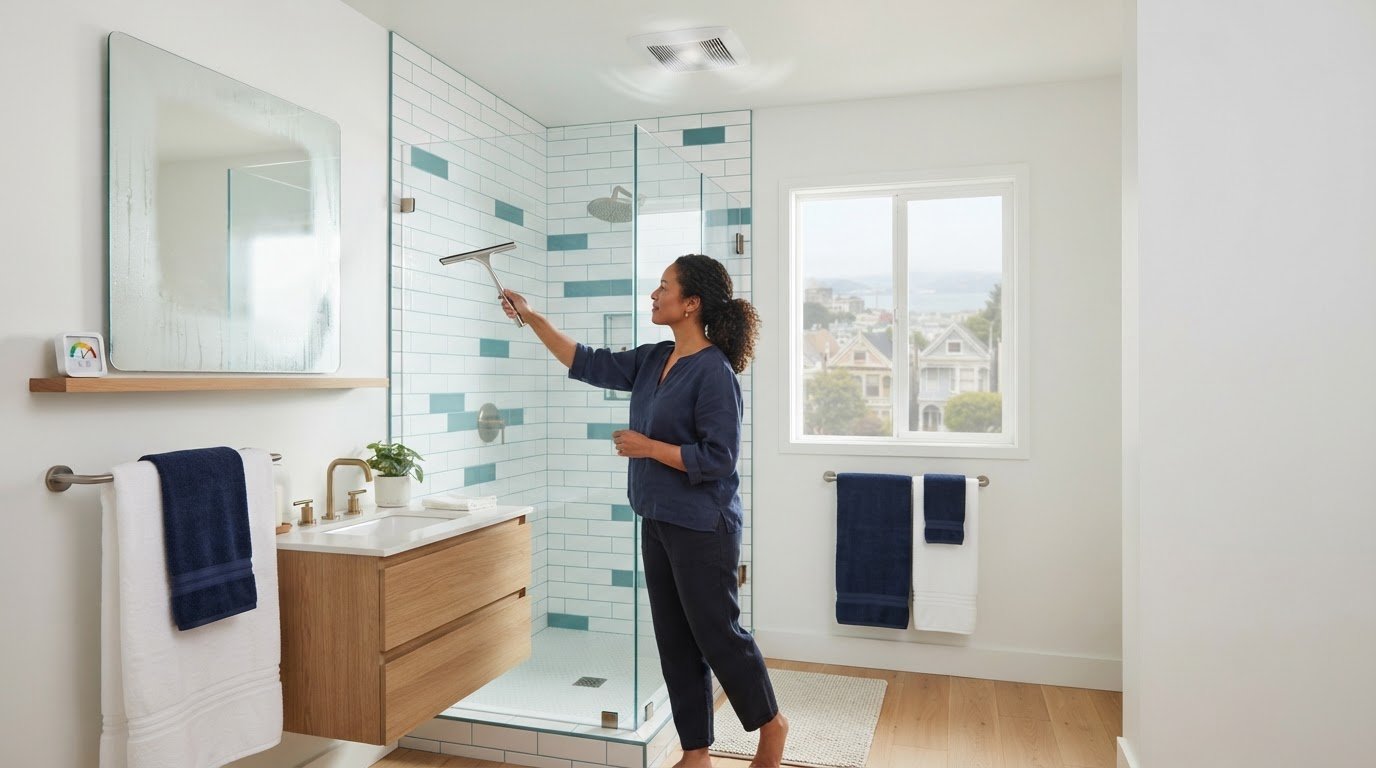
Psychrometrics is the study of the physical and thermodynamic properties of gas-vapor mixtures. It is the science behind why mold grows in certain environments. Fungal germination typically requires a relative humidity (RH) level above 60%. In San Francisco, our specific coastal microclimates and heavy fog often push sub-floor humidity well beyond this threshold. When temperature differentials exist between the warm interior of your home and the cool foundation soil, condensation forms on wood joists and insulation. This persistent moisture is the primary catalyst for microbial colonization. Controlling these psychrometric variables is just as important as removing the mold itself.
Bioaerosols and Indoor Air Quality
Mold spores are classified as bioaerosols. These are microscopic biological particles that become airborne and remain suspended for long periods. Because of their minute size, they easily bypass standard household filters and migrate into bedrooms and kitchens. This is why we recommend comprehensive mold and indoor air quality san francisco testing to measure the exact concentration of these invisible threats. Following established EPA mold remediation guidance allows us to contain these particles during the remediation process, preventing cross-contamination. If you are concerned about your home's air purity, scheduling a professional mold testing and inspection is a proactive step toward a healthier living environment.
Comparing Remediation Methods: Dry Fog vs. Traditional Abrasive Cleaning
Choosing the right approach for mold remediation for crawl spaces is a decision that dictates both the efficacy of the treatment and the future air quality of your home. Traditionally, the industry relied on mechanical removal methods like soda blasting or sanding to strip visible growth from wood surfaces. While these techniques are effective at cleaning the surface, they often fail to address the systemic biological threat. Modern clinical standards have shifted toward chemical neutralization via dry fogging, which prioritizes total environmental sterilization over simple physical scrubbing.
The Limitations of Abrasive Cleaning
Mechanical removal is inherently invasive and carries a high risk of cross-contamination. When you scrub or blast mold in a confined sub-floor area, you inevitably aerosolize millions of spores. These particles can then migrate into the upper levels of the home, potentially leading to persistent health problems for the occupants. Additionally, physical removal is labor-intensive and often misses spores hidden deep within porous materials or inaccessible structural joints. This leaves the home vulnerable to recolonization once moisture levels fluctuate again.
The Dry Fog Advantage for Crawl Spaces
Dry fog technology offers a non-invasive alternative that ensures total coverage of hard-to-reach joists and sub-flooring. The process uses specialized particles smaller than a mold spore, allowing the treatment to penetrate every microscopic crack and crevice that traditional tools cannot access. This method is now considered the gold standard for mold removal without demolition because it eliminates the need for tearing out walls or floorboards to reach hidden colonies. To achieve effective sterilization, the fog requires a specific "dwell time" to remain in contact with all surfaces, ensuring every viable organism is neutralized.
A permanent resolution requires a focus on both "killing" and "removing." While traditional methods prioritize the visual removal of stains, a clinical approach ensures the mold is biologically inert. Dead spores are far less likely to cause respiratory irritation or structural decay. By neutralizing the threat at a molecular level, we provide a thorough solution that protects the home's structural integrity without the mess and debris of abrasive cleaning.
The Professional Crawl Space Remediation Process Steps
A clinical approach to mold remediation for crawl spaces transforms a contaminated foundation into a sterile environment through a methodical, five-step protocol. This sequence ensures that every fungal colony is identified and neutralized while protecting the rest of your home from cross-contamination. It's a process that prioritizes systemic health over temporary fixes.
- Step 1: Diagnostics. We perform laboratory-grade air and surface sampling to identify specific fungal species and quantify spore counts.
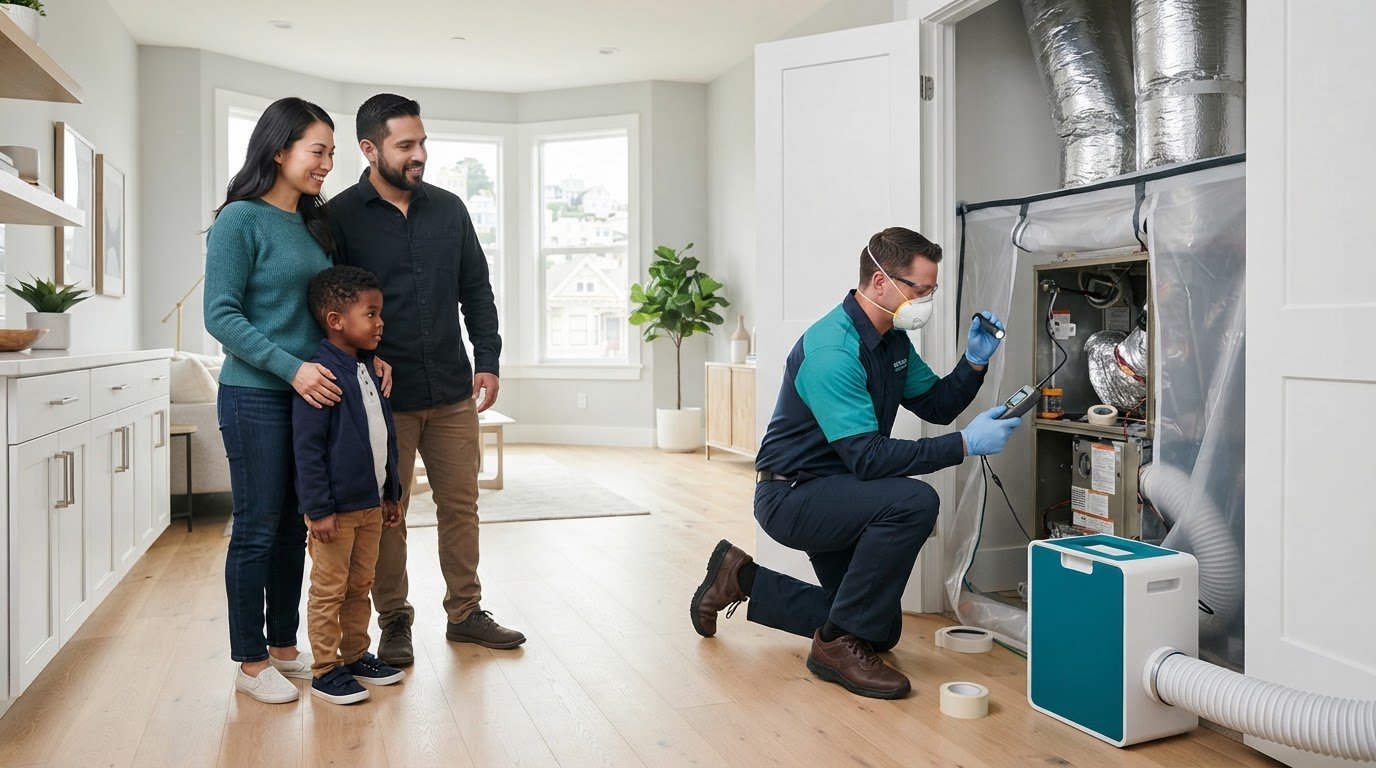
- Step 2: Containment. High-strength physical barriers and HEPA air scrubbing units are installed to isolate the sub-floor area from your living quarters.
- Step 3: Source Correction. We identify and address the underlying moisture triggers, such as soil dampness or poor ventilation, without requiring general construction.
- Step 4: Clinical Remediation. This is the core of effective mold remediation for crawl spaces. Our specialists apply advanced neutralizing agents, typically through non-invasive dry fogging, to reach every structural surface.
- Step 5: Final Validation. Post-Remediation Verification (PRV) testing confirms that spore levels have returned to safe, natural baseline standards.
Why Testing is the First and Last Step
Relying on a simple visual check is insufficient for a healthy home. Laboratory-grade air sampling provides the objective data needed to understand the invisible microbial load. For homeowners planning their maintenance, the 2026 San Francisco Attic Mold Inspection Cost Guide offers valuable context for budgeting these essential diagnostics. PRV is particularly critical during real estate transactions, as it provides documented proof that the environment is pure. It offers peace of mind that the remediation was successful and the air is safe to breathe.
Addressing Hidden Hazards
Microbial growth rarely stays in plain sight. It often migrates into difficult areas like rim joists, behind fiberglass insulation, or beneath old vapor barriers. Understanding where does black mold grow helps homeowners realize that surface cleaning is rarely enough. When insulation becomes contaminated, it acts as a reservoir for spores and must be carefully handled according to safety protocols. If you suspect your foundation is harboring hidden colonies, you can schedule a clinical mold inspection to receive a detailed assessment of your home's health status.
Long-Term Prevention and Choosing a San Francisco Specialist
Effective mold remediation for crawl spaces is a critical clinical intervention, but it's only the first half of a permanent solution. Because mold is a biological organism that thrives on moisture, the treatment is only as lasting as your moisture control strategy. Once the existing colonies are neutralized and the space is sterile, the focus must shift to environmental management. This transition ensures that the "lungs of your home" remain healthy and that your property value is protected from future fungal threats.
In San Francisco, the environmental variables are uniquely complex. A home in the Sunset District faces a persistent marine layer and heavy coastal fog, creating a high-humidity environment that requires robust dehumidification and high-grade vapor barriers. Conversely, a property in the Mission might deal with different drainage patterns and soil moisture levels. You need a specialist who understands these local microclimates and how they interact with your home's foundation. A "jack-of-all-trades" contractor might offer a generic waterproofing fix, but a clinical specialist focuses on the science of air quality and systemic health.
Maintaining a Pure Crawl Space Environment
Prevention is a proactive discipline that requires annual attention. While professional remediation provides a clean slate, your home's exterior systems must work in harmony to keep the sub-floor area dry. We recommend a consistent inspection routine to identify potential moisture triggers before they allow for fungal germination. Consider this checklist for your annual home maintenance:
- Gutter Maintenance: Ensure gutters and downspouts are clear and discharge water at least six feet away from the foundation.
- Soil Grading: Verify that the soil around your home slopes away from the structure to prevent water from pooling against the crawl space walls.
- Vapor Barrier Integrity: Perform a visual check to ensure your vapor barrier hasn't been displaced or damaged by pests or utility workers.
- Air Quality Monitoring: Utilize smart home IoT sensors to track relative humidity levels, ensuring they stay below the critical 60% threshold.
The My Pure Environment SF Difference
Our philosophy is rooted in a science-backed, health-focused approach that treats your home as a clinical environment. We don't perform general construction or water damage restoration; instead, we dedicate our expertise entirely to the detection and non-invasive removal of microbial hazards. This specialized focus allows us to provide thorough results without the need for destructive demolition. For homeowners seeking a comprehensive strategy for their entire property, we also provide Professional Attic Mold Remediation in San Francisco to ensure every confined space is protected.
If you've noticed musty odors or are concerned about the air quality in your home, it's time to move beyond guesswork. We provide the transparency and technical authority needed to restore your peace of mind. Contact My Pure Environment SF for a clinical crawl space evaluation and take the first step toward a permanently mold-free home.
Securing Your Home's Environmental Future
Your crawl space is more than just a foundation; it's a critical component of your home's respiratory system. By addressing microbial growth through the lens of clinical science, you're choosing a path that prioritizes long-term health and structural safety. We've explored how the Stack Effect moves air from the soil into your living areas and why advanced dry fog technology is the modern gold standard for effective mold remediation for crawl spaces.
Protecting your property requires a partner who understands the specific humidity challenges of the San Francisco Bay Area. As local air quality specialists, we provide science-based remediation protocols that neutralize threats without the need for destructive demolition. Our specialized mold-only expertise ensures that your indoor environment remains pure and your family stays protected. Taking proactive steps today ensures a cleaner, more breathable tomorrow for everyone under your roof.
Don't let hidden fungal growth compromise your peace of mind or your home's value. Schedule Your Clinical Crawl Space Inspection Today and take the first step toward a healthier, more resilient living environment. You deserve the confidence that comes with a truly clean home.
Frequently Asked Questions
Is mold in a crawl space a deal-breaker when buying a home?
Mold in a crawl space isn't necessarily a deal-breaker, but it does require a professional clinical assessment before finalizing a purchase. In California, sellers are legally required to disclose known hazardous conditions, including mold growth. Identifying the extent of the issue allows for a structured remediation plan. Most fungal concerns can be resolved effectively through non-invasive methods, preserving the home's structural integrity and ensuring the indoor air remains safe for the future occupants.
Can I just use a dehumidifier to kill crawl space mold?
A dehumidifier cannot kill existing mold; it only helps prevent future growth by controlling moisture levels. Once fungal colonies have established themselves on wood joists or sub-flooring, they remain biologically active or dormant until removed. Professional mold remediation for crawl spaces is necessary to neutralize existing spores. While maintaining relative humidity below 60% is vital for long-term prevention, it doesn't replace the clinical process of eliminating an active infestation through specialized treatment methods.
How long does the crawl space mold remediation process take?
The duration of the process depends on the size of the structure and the severity of the infestation, but most projects are completed within one to two days. Advanced dry fog technology significantly reduces the timeline compared to traditional abrasive cleaning, which can take much longer due to the labor-intensive nature of manual scrubbing. Because our methods are non-invasive and don't require demolition, homeowners can often remain in the property while the treatment is performed.
Will the smell of mold go away immediately after remediation?
Most musty odors dissipate shortly after the remediation process is complete. These smells are caused by microbial volatile organic compounds (mVOCs) released by active colonies. When we apply neutralizing agents via dry fog, these compounds are broken down at a molecular level. If an odor persists, it may indicate a lingering moisture source or a hidden pocket of growth that requires further investigation through laboratory-grade air sampling to ensure total environmental purity and safety.
Does homeowners insurance cover mold remediation for crawl spaces?
Insurance coverage for mold remediation for crawl spaces typically depends on the underlying cause of the moisture. Most policies cover mold that results from a sudden and accidental peril, such as a burst pipe. However, fungal growth caused by gradual seepage, high humidity, or poor maintenance is often excluded. We recommend reviewing your specific policy or speaking with an adjuster to determine if your situation meets the criteria for a covered environmental claim.
What is the difference between encapsulation and remediation?
Remediation is the clinical process of identifying and neutralizing fungal growth, while encapsulation is a preventative measure that involves sealing the crawl space with a heavy-duty vapor barrier. You shouldn't encapsulate a space that has active mold, as this traps the biological hazard beneath the liner. The correct sequence is to perform professional remediation first to ensure the environment is sterile, followed by moisture control strategies to maintain those healthy conditions permanently and protect air quality.
Are the chemicals used in dry fog remediation safe for my family and pets?
The neutralizing agents used in our dry fog process are designed to be safe for your family and pets. We prioritize eco-friendly, non-toxic solutions that effectively eliminate spores without leaving behind harmful chemical residues. Because the fog particles are microscopic, they dissipate quickly after the required dwell time. This clinical approach allows us to restore your home's air quality without introducing secondary environmental hazards or requiring you to vacate the premises for extended periods of time during treatment.
How often should I have my crawl space inspected for mold in San Francisco?
We recommend that San Francisco homeowners have their crawl spaces inspected at least once a year. Our unique coastal microclimates, characterized by heavy fog and high humidity, create persistent moisture challenges that can trigger fungal growth. Regular inspections allow for the early detection of issues before they impact your indoor air quality or structural integrity. Annual checks are especially important for older homes in neighborhoods like the Sunset or Richmond districts where dampness is more prevalent and persistent.